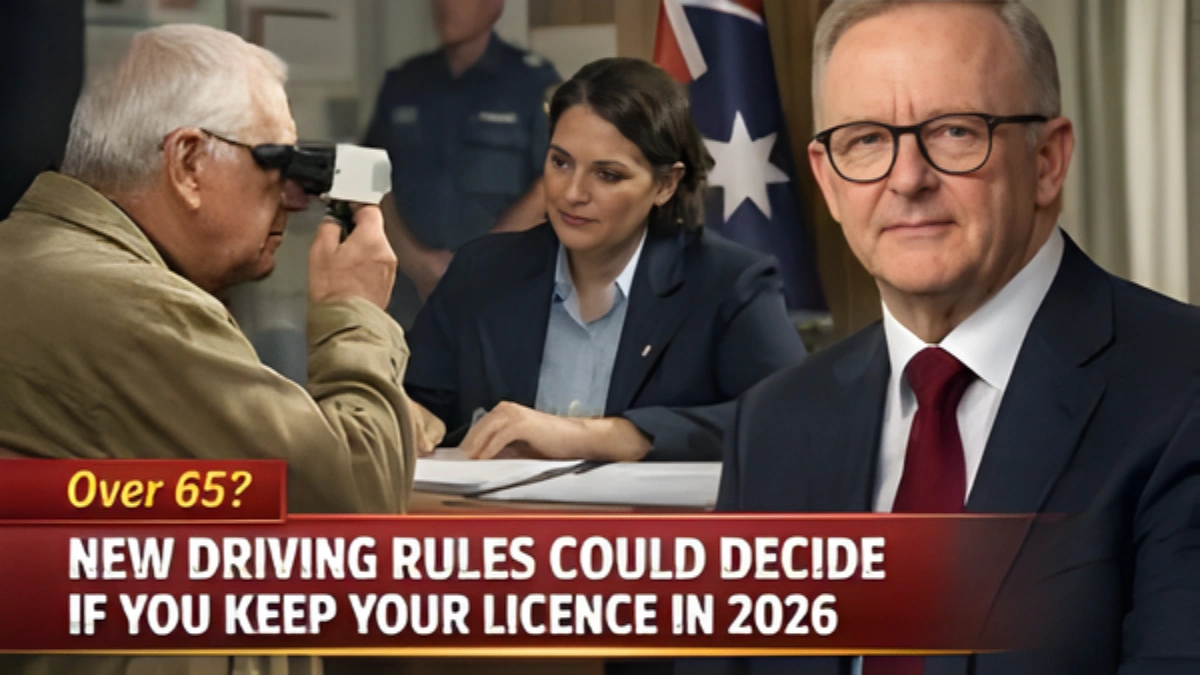
Australia is preparing for a major shift in driving regulations in 2026, and older drivers are at the center of the change. If you are over 65, new rules could determine whether you keep your licence or face restrictions. These updates, guided by authorities like Transport for NSW and Department of Transport and Main Roads, are aimed at improving road safety, but they are also raising serious concerns among senior drivers. With an increasing number of older Australians staying active and driving longer, the government is introducing stricter monitoring systems to ensure that all drivers remain fit to drive. However, for many, this could mean additional tests, medical checks, and possible limitations.
Why New Driving Rules Are Being Introduced in 2026
Australia’s population is ageing, and more people are driving well into their senior years. While many older drivers are experienced and cautious, age-related changes such as reduced vision, slower reaction times, and certain medical conditions can increase the risk of accidents. Authorities are not introducing these rules to remove licences unfairly, but rather to ensure safety for all road users. The focus is on early detection of potential risks and allowing adjustments before serious incidents occur. These changes are part of a broader national push to modernize road safety systems and reduce accident rates.
What Changes for Drivers Over 65
The biggest shift in 2026 is the introduction of more frequent and detailed assessments for older drivers. Unlike younger drivers who renew licences every few years with minimal checks, seniors may now face stricter renewal conditions. Drivers over 65 may be required to undergo regular medical evaluations to confirm they are physically and mentally fit to drive. In some cases, vision tests and cognitive assessments may also be required. Additionally, licence renewal periods may be shortened, meaning seniors must renew their licences more frequently than before.
Key Requirements You May Need to Meet
The new rules introduce several requirements that older drivers must follow to retain their licences. Drivers may need to provide medical certificates from registered doctors confirming their fitness to drive. Some individuals may be asked to complete practical driving tests, especially if there are concerns about their ability.
There is also a greater emphasis on reporting medical conditions that could affect driving, such as vision problems or neurological conditions. Failure to meet these requirements could result in licence restrictions or cancellation.
State-by-State Differences You Should Understand
One of the most important aspects of these changes is that rules are not identical across Australia. In New South Wales, drivers over a certain age must complete annual medical assessments, and those over 85 may need to pass regular driving tests. In Queensland, drivers must carry a valid medical certificate once they reach a specific age and renew it regularly. Other states and territories have similar but slightly different requirements, making it important to check local rules. This variation can be confusing, especially for seniors who travel between states.
What Happens If You Fail an Assessment
Failing a medical or driving assessment does not always mean losing your licence immediately. In many cases, authorities may issue a conditional licence. This allows drivers to continue driving under certain restrictions, such as only during daylight hours or within a limited distance from home.
However, if a driver is deemed unsafe, the licence may be suspended or cancelled. Understanding these outcomes can help drivers prepare and plan ahead.
Impact on Independence and Daily Life
For many older Australians, driving is more than just convenience. It is essential for maintaining independence, attending medical appointments, and staying socially connected. Stricter rules may lead to some seniors losing their licences earlier than expected, which can significantly impact their quality of life. Families may need to step in to provide transportation, and some individuals may need to rely on public transport or community services. Balancing safety with independence remains a key challenge in implementing these rules.
How to Stay Eligible and Keep Your Licence
Staying proactive is the best way to maintain your driving privileges. Regular health check-ups can help identify and manage conditions that may affect driving. Keeping vision and hearing in good condition is also important. Practicing safe driving habits and staying physically active can help maintain the skills needed for driving. Some seniors choose to take refresher driving courses to stay confident and up to date with road rules.
Common Mistakes to Avoid
Many drivers risk losing their licences due to avoidable issues. Failing to report medical conditions or missing required assessments can lead to automatic suspension. Ignoring renewal deadlines is another common problem. Providing outdated or incorrect information can also create complications. Being aware of these risks can help drivers stay compliant.
Future Outlook for Senior Drivers in Australia
The 2026 changes signal a long-term shift toward stricter monitoring of older drivers. As technology improves, assessments may become more advanced, including digital monitoring and automated checks. While this may improve road safety, it also means that drivers must remain consistently compliant.
Conclusion
The new driving rules for Australians over 65 in 2026 represent a significant change in how licences are managed. While the goal is to improve safety, the impact on independence cannot be ignored.
Understanding the requirements, staying proactive, and preparing for assessments can help seniors continue driving safely for as long as possible.
Disclaimer: This article is for informational purposes only and does not constitute legal advice. Rules may vary by state and may change over time.